
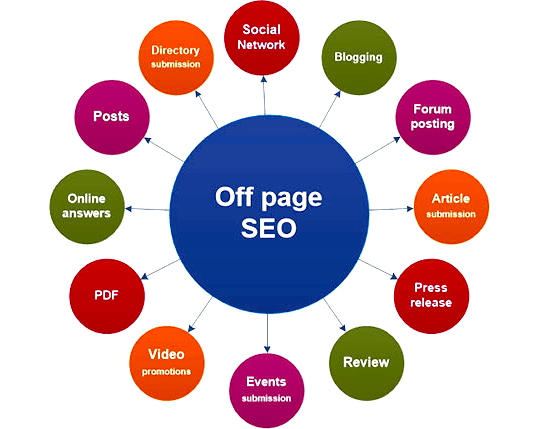
Off-Page SEO is everything you do outside your website to improve its authority, trust, and ranking on Google. While On-Page and Technical SEO optimize your site internally, Off-Page SEO tells Google how credible and popular your website is across the internet.
For businesses and freelancers competing online, especially in markets like the UAE and India, Off-Page SEO is a major ranking factor you cannot ignore.
🔍 What Is Off-Page SEO?
Off-Page SEO refers to all activities performed outside your website that influence your search engine rankings.
It mainly focuses on:
- Backlinks
- Brand mentions
- Social signals
- Online reputation
- Authority building
Google uses these signals to decide whether your website deserves to rank higher than competitors.
⭐ Why Off-Page SEO Is Important
Off-Page SEO helps Google understand:
- How trustworthy your website is
- Whether other websites recommend you
- How popular your brand is online
Benefits of strong Off-Page SEO:
- Higher Google rankings
- Increased domain authority
- More referral traffic
- Better brand visibility
- Higher trust and credibility
Even great content struggles to rank without Off-Page SEO support.
🔗 Key Off-Page SEO Techniques
✅ 1. Backlink Building (Most Important)
Backlinks are links from other websites pointing to your site.
High-quality backlinks come from:
- Authoritative websites
- Relevant industry blogs
- News portals
- Business directories
Quality matters more than quantity.
One strong backlink is better than 100 low-quality ones.
✅ 2. Guest Posting
Guest posting means writing articles for other websites and linking back to your site.
Benefits:
- Quality backlinks
- Referral traffic
- Brand exposure
- Authority building
Choose websites related to your niche for best results.
✅ 3. Brand Mentions
When websites mention your brand name — even without a link — Google still considers it a trust signal.
Examples:
- Blog mentions
- Business listings
- News articles
Consistent brand mentions strengthen your online reputation.
✅ 4. Social Media Signals
Sharing your content on:
- Twitter (X)
helps increase visibility, engagement, and content reach.
While social signals are not direct ranking factors, they support Off-Page SEO indirectly.
✅ 5. Local SEO & Business Listings
Listing your business on:
- Google Business Profile
- Local directories
- Industry listings
improves local visibility and trust.
This is especially powerful for service-based businesses.
✅ 6. Influencer & Blogger Outreach
Collaborating with:
- Influencers
- Bloggers
- Content creators
helps earn natural backlinks and audience trust.
✅ 7. Online Reviews & Reputation Management
Positive reviews on platforms like Google improve:
- Trust
- Click-through rate
- Local rankings
Encourage happy customers to leave reviews.
🚫 Off-Page SEO Mistakes to Avoid
❌ Buying low-quality backlinks
❌ Spamming comments or forums
❌ Using irrelevant websites
❌ Over-optimized anchor text
❌ Ignoring brand mentions
❌ Focusing only on quantity
These practices can harm your rankings.
🧠 Off-Page SEO vs On-Page SEO
| On-Page SEO | Off-Page SEO |
|---|---|
| Optimizes website content | Builds website authority |
| Controlled by you | Depends on external sources |
| Keywords & content | Backlinks & mentions |
| Technical + content-based | Reputation-based |
Both must work together for strong SEO results.
🏁 Conclusion
Off-Page SEO is essential for building trust, authority, and long-term rankings. Google ranks websites that others recommend and talk about. By focusing on quality backlinks, brand mentions, social visibility, and online reputation, you can significantly improve your SEO performance.
For freelancers, bloggers, and businesses, a smart Off-Page SEO strategy can be the difference between page 1 and page 10.
Build trust — rankings will follow.